
Collection: EJ Tech Insights
What fails—and how we fix it.


Oversized Valve Flow vs. OEM Valve
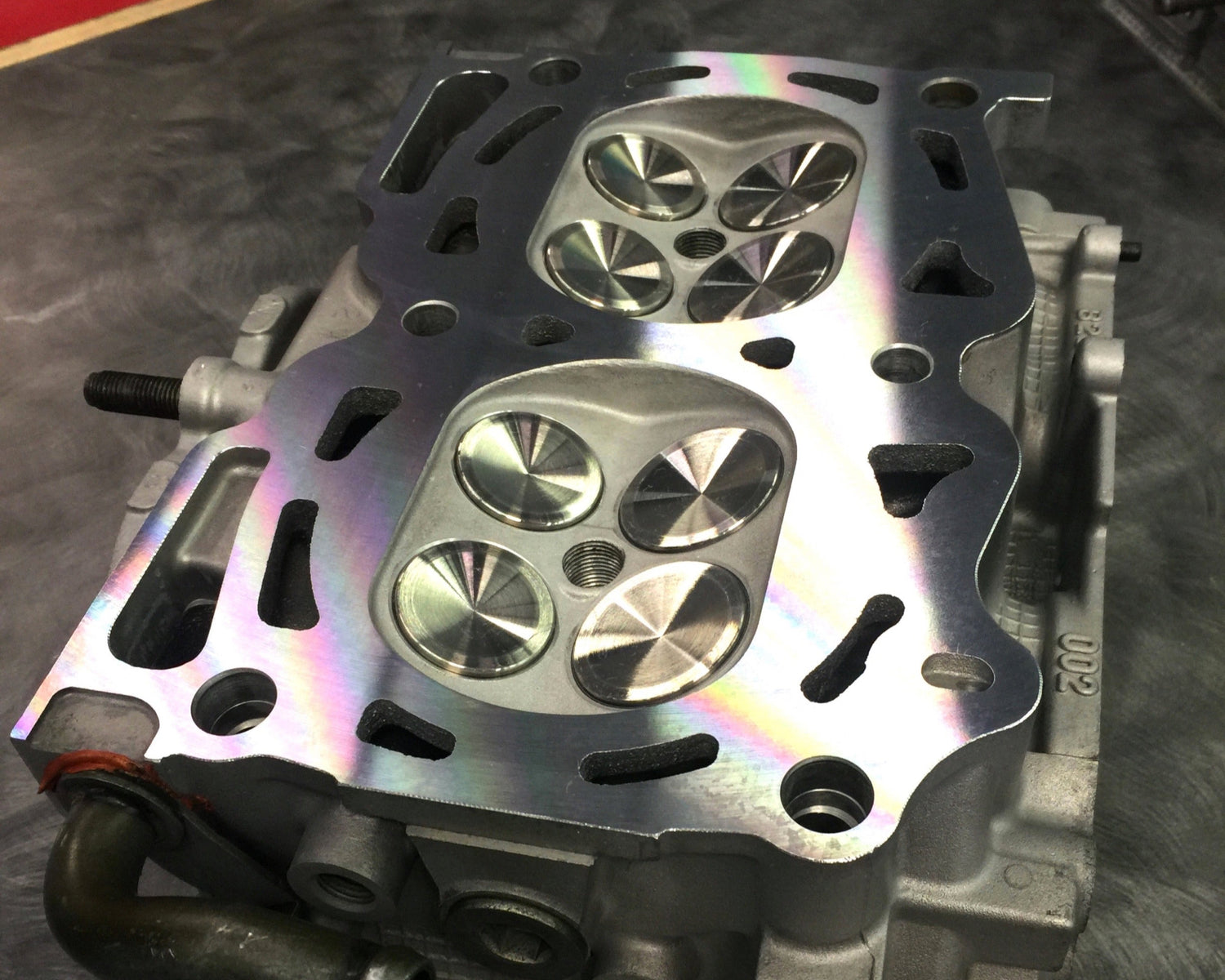
We only install OEM-sized valves in Subaru EJ heads, and here's why: The oversized valve is only .004 in inches smaller than the OEM valve seat, which is just .003 in inches thinner than a $1 bill. The valve seat functions as a heat sink, helping dissipate heat from the valve. Using an oversized valve in this application compromises the heat-dissipating properties of the valve seat, which can negatively impact performance and durability.
Oversized valves actually flow less than OEM-sized valves up to 9mm of lift. Consider this: most cams we install have around 10.5mm of lift, meaning you’re limiting flow for 90% of the cam’s lift range. In contrast, OEM-sized valves provide better flow where it's most needed, resulting in a greater area under the power curve. This translates to more consistent power, perfect for daily boosted performance and reliability!

EJ20 Cracks
The EJ20 (S20) cylinder head castings are notoriously prone to cracking in the combustion chamber. These cracks typically run from the spark plug to the valve seats on both sides and can also extend down the spark plug hole. Unfortunately, there is no permanent fix for this issue aside from replacing the heads entirely.
As a rule of thumb, we classify these heads as unusable ("junk") if the cracks extend more than four threads down the spark plug hole. This is done out of caution, although we’ve never experienced a failure with heads exhibiting these cracks. In fact, we’ve worked on and made over 800whp with these heads without issue. That said, we cannot offer any guarantees for this casting.
Using these heads is entirely at your own risk, as the cracking is a known flaw inherent to the OEM design.
Valve Upgrades
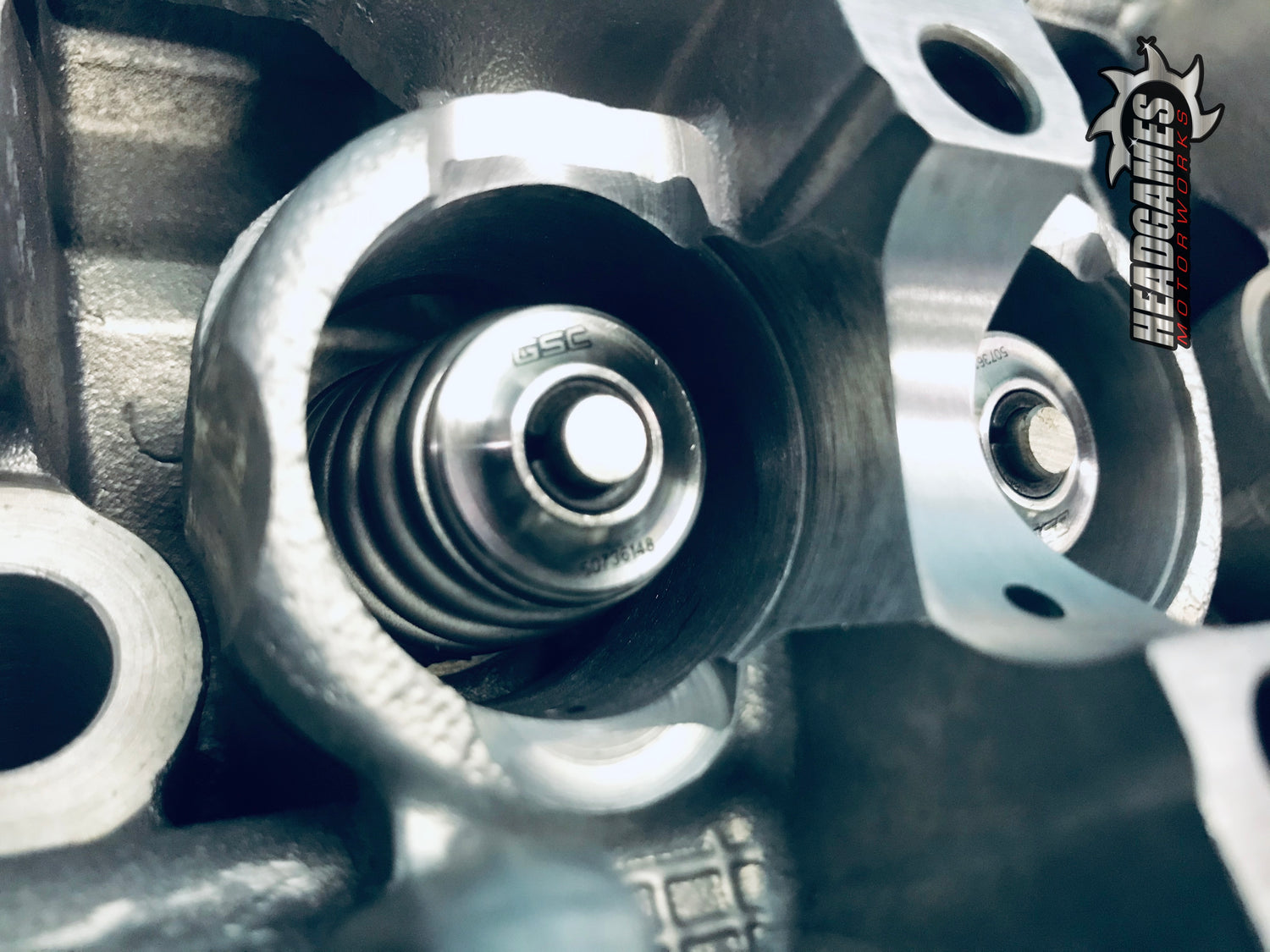
If you choose to upgrade your valves, you will need at minimum our Rebuild with Guides Service. This is necessary because the stem size of OEM valves differs from aftermarket valves. Installing an aftermarket valve in an OEM steel guide can create excessive valve-to-guide clearance, which may cause premature guide wear.
If your budget allows for a valve upgrade, we highly recommend it. OEM exhaust valves are prone to burning, which can lead to significant damage—such as destroying the heads, turbo, or valve seats.

Why Aftermarket Valves Are Essential
At this power level, upgrading your OEM valves is a must! Aftermarket valves are built with high-strength materials designed to withstand the extreme heat and stress of high-performance applications. While aftermarket valves may bend under extreme conditions, OEM valves are more likely to break—making aftermarket valves the safer, more reliable choice.
Is Bigger Better?
Not in this case! We don’t install oversized valves in Subaru engines because they’re unnecessary. In fact, we’ve achieved 1400whp on stock-size valves.
Fun Fact: If your cam has less than 10mm lift, oversized valves can actually reduce performance. Bigger isn’t always better—it’s about using the right components for maximum efficiency and power!
Spring Pressure Considerations
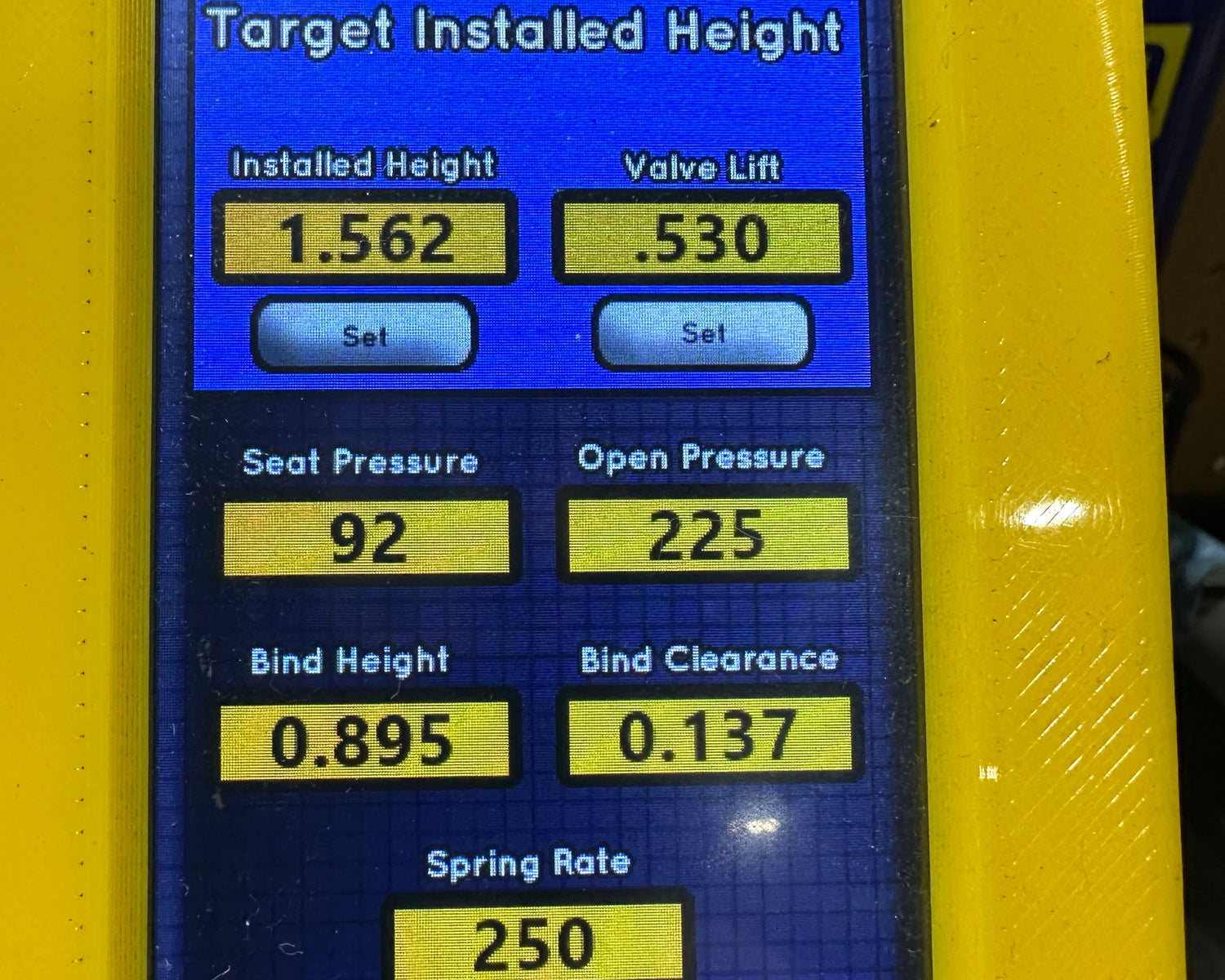
A common concern when selecting a spring kit is adding too much spring pressure, particularly for street applications. However, when it comes to spring pressure, more is generally better than less. Insufficient pressure can lead to valve float, which can cause significant damage to your engine. Proper spring pressure ensures stable valve control and prevents potential issues at higher RPMs.
Importance of Correct Valve Spring Pressure
The right amount of spring pressure ensures the springs remain controlled, which in turn keeps the valves functioning properly. The number one cause of valve-train or cam/bucket failure is using the wrong valve spring for your application. If the valve spring isn’t up to spec, nothing else in the system will perform at its best. Proper spring selection is key to maintaining reliability and preventing costly damage.
Buckets (Lifters) and Wear
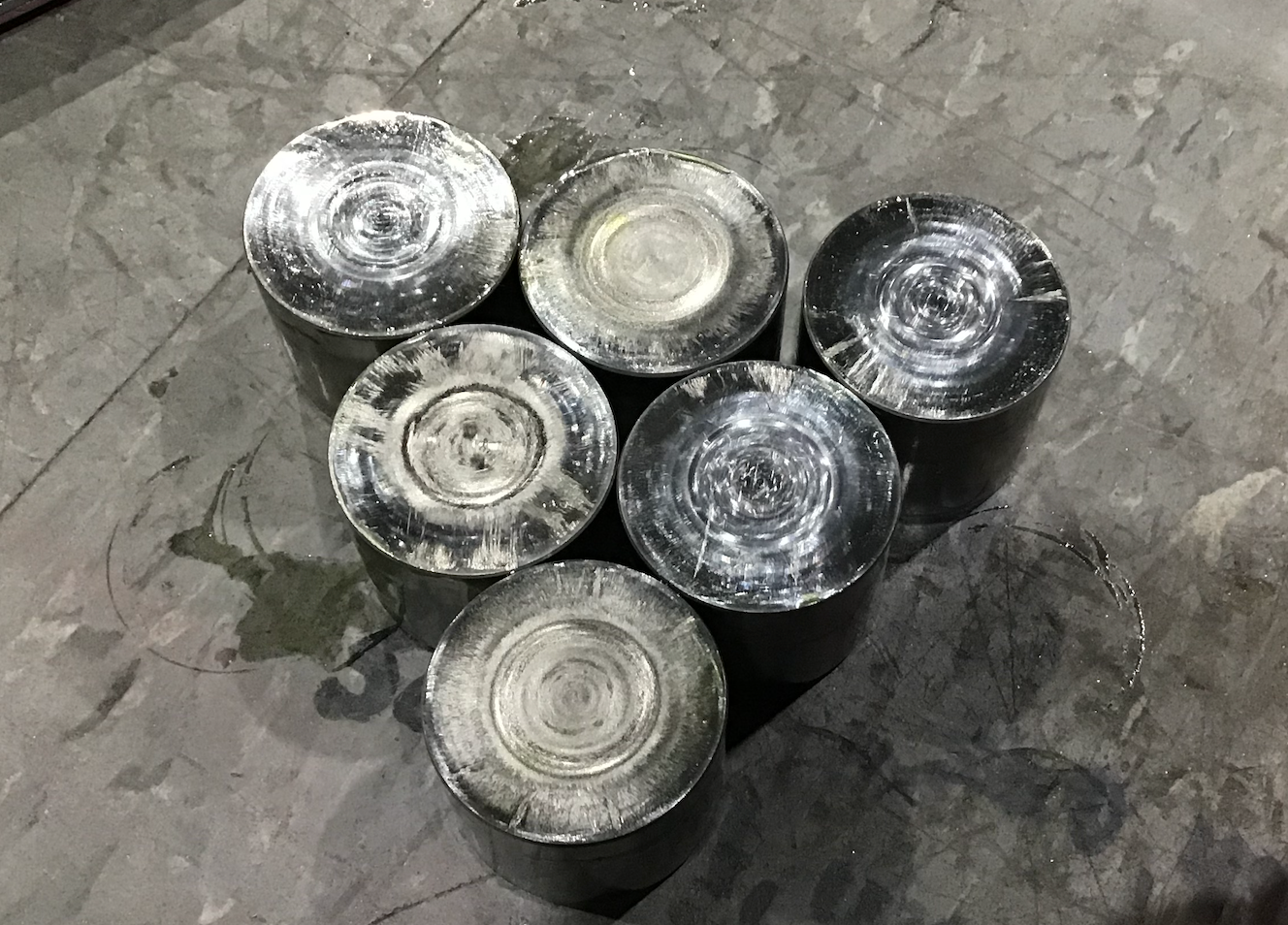
Buckets (also known as lifter or follower) are considered wearable components. The unique oiling design of the Subaru boxer engine makes them more prone to wear, as the head is the last the to receive oil, in a resulting in less lubrication and greater wear over time or during a failure. Proper replacement is essential for optimal performance and longevity.
Bucket Replacement After Engine Failure
If you’re purchasing new heads due to a recent engine failure, it's highly likely that your buckets will need to be replaced, especially if you're upgrading to a new cam. Upgrading the cam often demands additional attention to the valve-train components to ensure optimal performance and prevent further issues.
Choosing the Right Camshaft
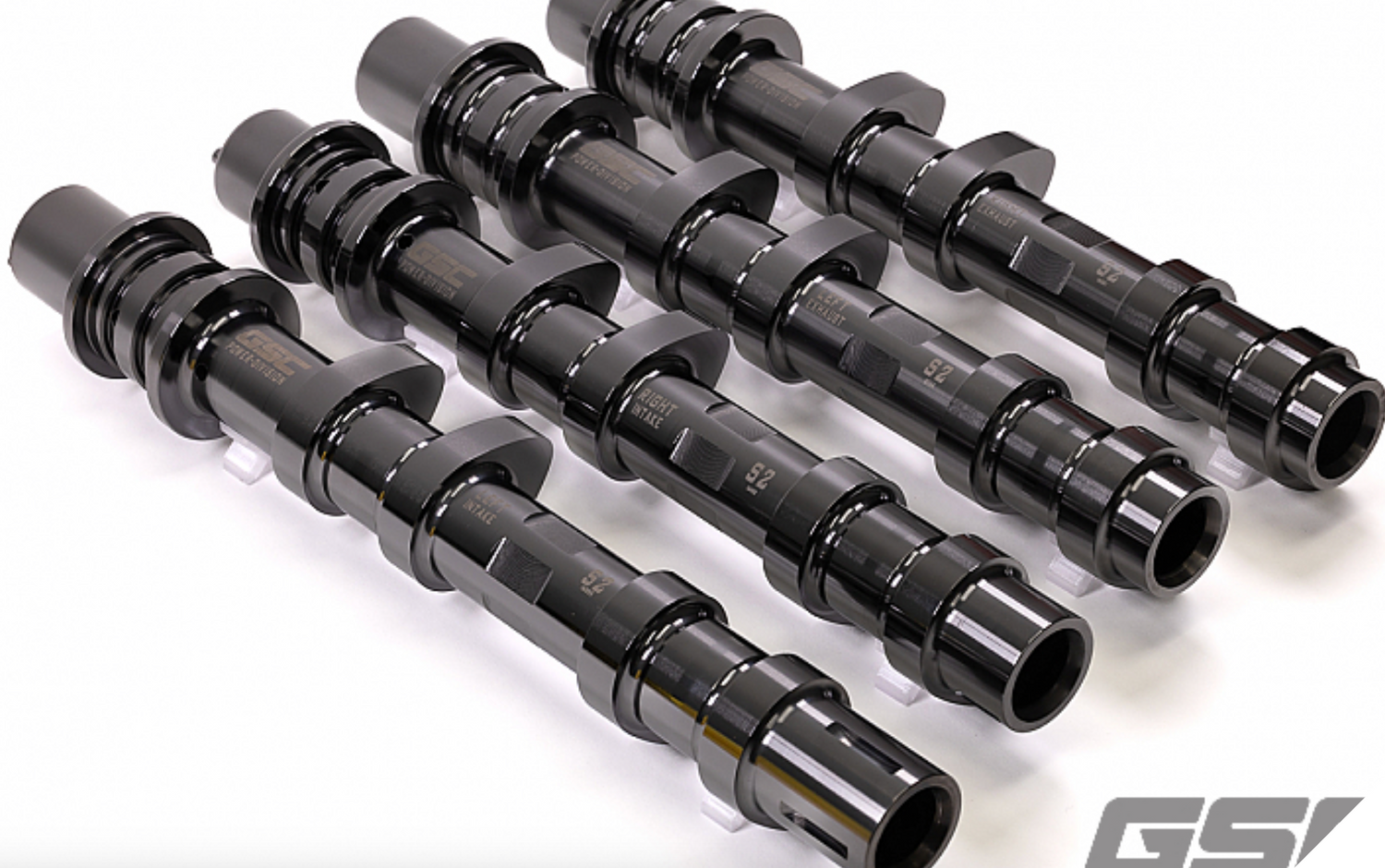
Planning to relax in a lawn chair and listen to your car? If so, you might be tempted to go for the biggest cams on the market, and while it’ll certainly make your car sound great, it could also make it feel laggy. A camshaft that’s too large can deliver the sound you’re looking for but at the cost of drivability, especially in terms of throttle response and power delivery. Choose a cam that matches your performance goals for the best balance between sound and feel.